
Essential Tips for Building Retaining Walls in St. Louis & Surrounding Areas
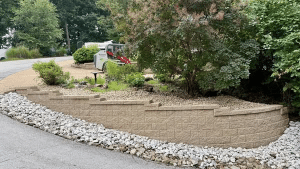
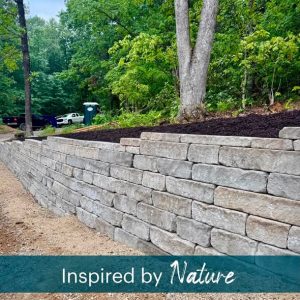
That steep, unruly corner of your yard doesn’t have to be a headache—it’s an opportunity. A well-built retaining wall installation in St. Louis, MO can turn a washout-prone slope into usable space for a paver patio, garden, or play area. At Action Landscaping, family-owned since 1981 and with deep St. Louis roots dating back to 1764, we combine decades of expertise with a commitment to craftsmanship to deliver backyard retaining walls in Kirkwood, MO and surrounding areas that last. We proudly serve Imperial, Arnold, Fenton, Festus, Hillsboro, Oakville, Kirkwood, St. Louis, Town & Country, House Springs, Eureka, Clayton, Webster Groves, Sunset Hills, Ladue, and Frontenac, MO.
Distinguishing between a decorative border and a structural necessity is your first line of defense. A knee-high garden bed is manageable for most, but preventing soil erosion on sloped yards often requires specific calculations regarding gravity and friction. Treating a load-bearing wall like a cosmetic update is the quickest path to a collapsed landscape.
Creating a structure that your grandchildren will see involves three critical components: a level footing, efficient drainage, and durable materials. By understanding these functional requirements before you pick up a shovel, you ensure your new wall stands firm against both time and the elements.
Why Water is the Number One Killer of Backyard Walls
The situation becomes critical when it rains because soil acts exactly like a giant sponge. As the ground soaks up water, it becomes incredibly heavy and pushes against the back of your wall with a massive new force called hydrostatic pressure. Instead of holding back a stable pile of dirt, your wall is suddenly fighting to contain a heavy, liquid-like sludge that exerts force in every direction. This invisible water weight is the number one reason DIY walls collapse, often blowing out the bottom row of blocks or snapping timber supports.
Building a thicker wall isn’t usually the answer to this problem. Successful retaining wall construction relies on giving that trapped water an easy way to escape before the weight becomes unmanageable. Since you cannot stop the rain, your focus must shift to hydrostatic pressure relief: creating a clear path for water to flow through the structure rather than pushing it over.
How to Design a Drainage System That Prevents Wall Collapse
Learning how to install drainage for hillside structures is about outsmarting water, not fighting it with brute force. If the soil behind your wall acts like a heavy, wet sponge, your drainage system functions like a straw, giving that moisture an immediate exit strategy before it builds destructive pressure. By providing a path of least resistance, you ensure the water flows around and under your wall rather than pushing it over.
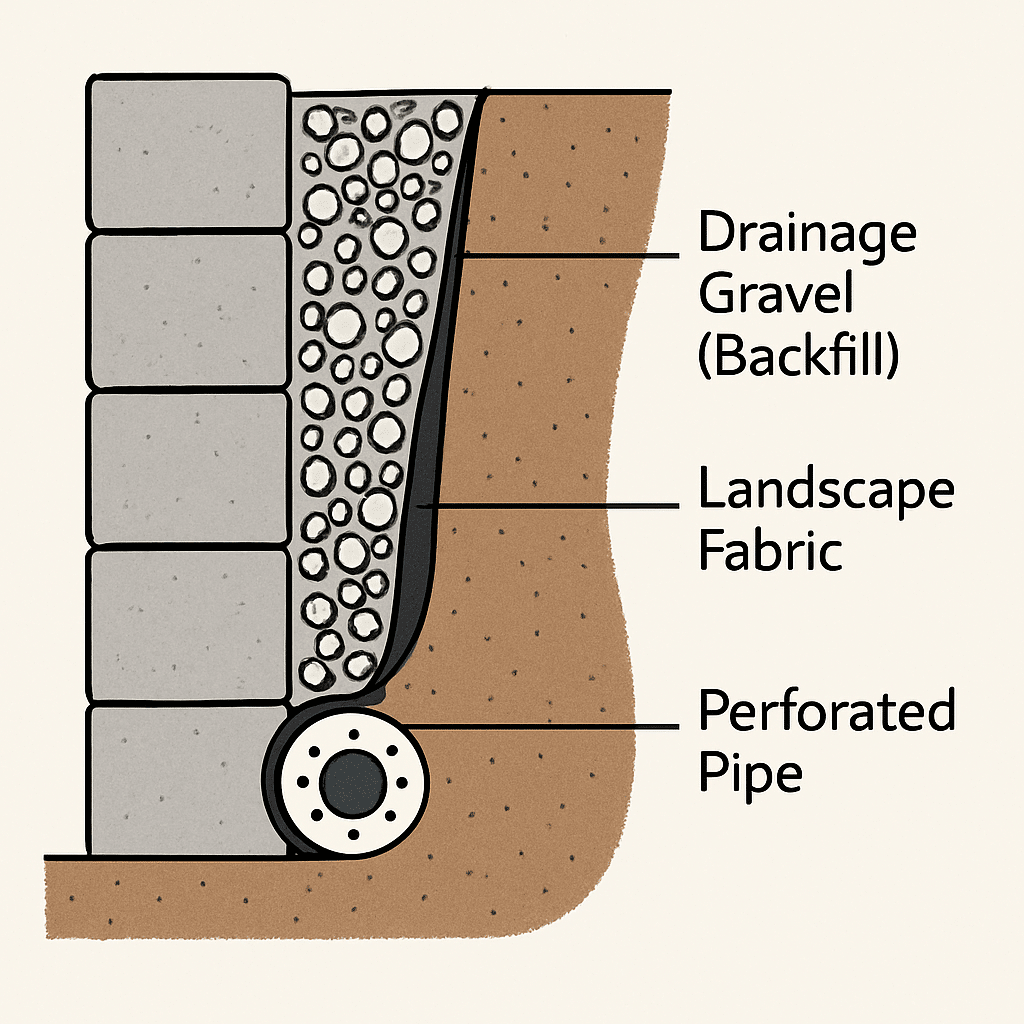
This relief process starts immediately behind the wall face with a zone known as “backfill.” Instead of packing dirt right up against your stones or timber, you must create a vertical column of gravel—usually at least 12 inches thick. Unlike dense soil, which traps moisture, this loose stone layer allows rain to fall straight down to the foundation rather than pushing horizontally against the structure.
Once gravity pulls the water to the bottom, it needs a dedicated highway out. Installing perforated drainage pipes at the base collecting this runoff is the industry standard for keeping foundations dry. For walls where a pipe outlet isn’t possible, “weep holes”—small gaps left intentionally between the bottom stones—allow water to vent directly through the front of the wall. Weep holes for moisture control prevent the trapped water from acting like a hydraulic jack behind the blocks.
- A fail-safe system relies on four non-negotiable components working together:
- Perforated Pipe: The "French drain" that channels water away from the base.
- 3/4-Inch Crushed Stone: The drainage gravel that filters water down quickly.
- Landscape Fabric: A barrier that stops dirt from clogging the gravel.
- Weep Holes: Vents that allow pressure to escape through the wall face.
- With the unseen plumbing handled, you can safely focus on the visible shell. Whether you choose the modular convenience of concrete or the natural aesthetic of wood depends on your budget and the specific terrain you are taming.
Choosing Your Armor: Interlocking Blocks vs. Timber Sleepers
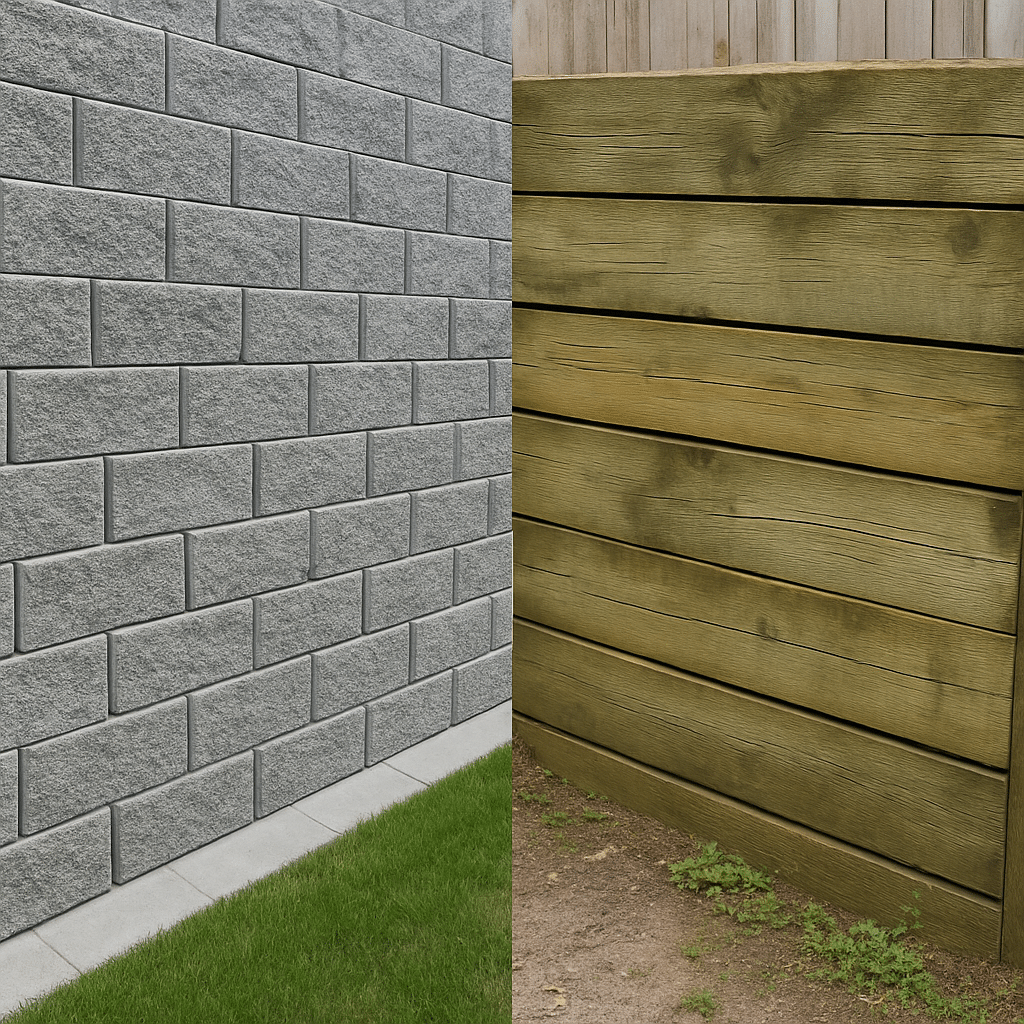
Selecting the material for the face of your wall is the only part your guests will ever see, but for you, it represents a crucial balance between upfront cost and future maintenance. While the drainage system protects the structure from water damage, the material you choose determines how long the wall will stand against the elements. You are essentially deciding between a semi-permanent solution that saves money today and a permanent investment that costs more initially.
For homeowners looking for a “one-and-done” project, segmented block masonry units are the gold standard. Unlike traditional brickwork that requires messy mortar, these engineered stones stack together using built-in lips or pins to lock securely in place. This dry-stack method makes them significantly easier for a solo builder to handle compared to the complexity of interlocking blocks vs poured concrete, which requires building wooden forms and renting heavy mixing equipment. While the initial price per square foot is higher, concrete blocks offer a rot-proof structure that can easily last 50 years with zero maintenance.
If your budget is tight or you prefer a natural aesthetic, wood offers a warmth that concrete simply cannot match. Pressure treated timber sleeper construction is often the go-to for approachable DIY projects because the materials are lightweight and cut easily with a standard circular saw. However, wood is organic material fighting a losing battle against wet soil. Even with heavy chemical treatment, a timber wall typically holds the earth back for only 15 to 20 years before moisture and soil acidity begin to rot the wood from the inside out, eventually requiring a full rebuild.
Your final decision ultimately comes down to a trade-off between writing a larger check now or committing to physical labor again in two decades. If you live in a wet climate, the durability of stone usually outweighs the savings of wood, whereas dry climates are more forgiving to timber. Regardless of whether you stack concrete or bolt timbers, the material will only stay straight if it rests on something solid.
The Hidden Foundation: Why 90% of a Wall’s Strength is Underground
Even the most expensive concrete blocks will tumble if they are stacked directly on top of loose topsoil. Just as a house relies on a concrete slab to prevent it from sinking, your retaining wall requires a dedicated footing to distribute its immense weight. This underground structural base is the only thing stopping your landscaping project from settling unevenly and cracking within the first year.
Digging a trench is the first step in building a sturdy gravity wall foundation, but what you place inside that trench determines its longevity. Garden soil expands when wet and shrinks when dry, creating a shifting surface that destroys stability. Instead, you must replace that organic material with sharp-edged, crushed gravel. When you run a mechanical plate compactor over this stone, the jagged edges lock together to create a solid, non-shifting pad that still allows water to drain freely through the bottom.
Once you have finished compacting gravel base layers, the most tedious but essential task begins: leveling the base course. This first row of material should be buried partially underground to lock the wall in place against sliding forces. Because the blocks stack explicitly on top of one another, a variance of just one-eighth of an inch at the bottom can grow into a noticeable three-inch lean by the time you reach the top of a four-foot wall.
A solid footing handles the downward pressure of the stones, but as walls grow taller, the soil pressure pushing forward increases drastically. While a standard gravity wall works for low garden beds, higher structures face forces that simple stone weight cannot resist alone, requiring advanced reinforcement methods to keep the hill from pushing your hard work over.
When to Use Geogrid to Reinforce Heavy Soil Loads
While stacking heavy stones works for a simple garden bed, holding back a massive hillside requires more than just weight. This is where geogrid soil reinforcement transforms a standard project into a permanent structure. Think of geogrid as a high-strength synthetic net that acts like tree roots, sandwiched between layers of block and extending horizontally back into the earth to lock everything together.
By rolling this grid out over your compacted backfill, you essentially force the soil to hold itself up. The weight of the dirt pressing down on the mesh prevents the layers from sliding apart, creating a massive, unified block of earth that anchors the wall face. Without this integration, the pressure behind a tall wall acts like a wedge, slowly pushing the top row of stones outward until the structure topples.
Most basic retaining wall ideas don’t mention reinforcement, but skipping it leads to catastrophic failure in specific scenarios. You almost always need geogrid if your project involves:
- Vertical Height: The wall exceeds 3 feet tall, where leverage against the base becomes critical.
- Poor Soil: The ground is heavy clay or stays consistently wet, increasing internal pressure.
- Surcharge Loads: A heavy weight, such as a driveway, parked car, or shed, sits immediately above the wall.
- Since walls requiring geogrid often cross the line from simple landscaping to structural engineering, they usually trigger specific municipal safety rules regarding what you can legally build yourself.
Knowing the Law: How to Avoid Costly Fines and Permit Mistakes
Most municipalities draw a strict line between a simple landscaping project and a regulated structure based on vertical height. The general rule is that retaining walls under four feet are safe for DIY attempts, but once you exceed that limit, local building permit requirements usually mandate a design stamped by a licensed engineer. This threshold exists because taller walls hold back exponential amounts of soil weight, turning a backyard feature into a potential safety hazard if calculated incorrectly.
Height isn’t the only factor that invites scrutiny; what sits above or below the wall matters just as much. If you plan to park a car, place a hot tub, or build a shed near the top edge, you have created a “surcharge”—extra weight that exerts downward pressure and pushes the wall outward. Additionally, consulting a current site survey is critical to respect “setbacks,” which are legal buffers keeping your construction away from property lines and underground utility easements.
Skipping these legal steps can result in significant financial pain, ranging from code violation fines to a mandatory order to demolish the entire structure. It is far more cost-effective to verify the rules beforehand than to dismantle tons of stone and fill dirt because of a zoning error. However, if you have inherited a property where the previous owner ignored these standards, you might already be seeing signs of structural distress.
Fix It or Flatten It? How to Diagnose a Tilting Wall
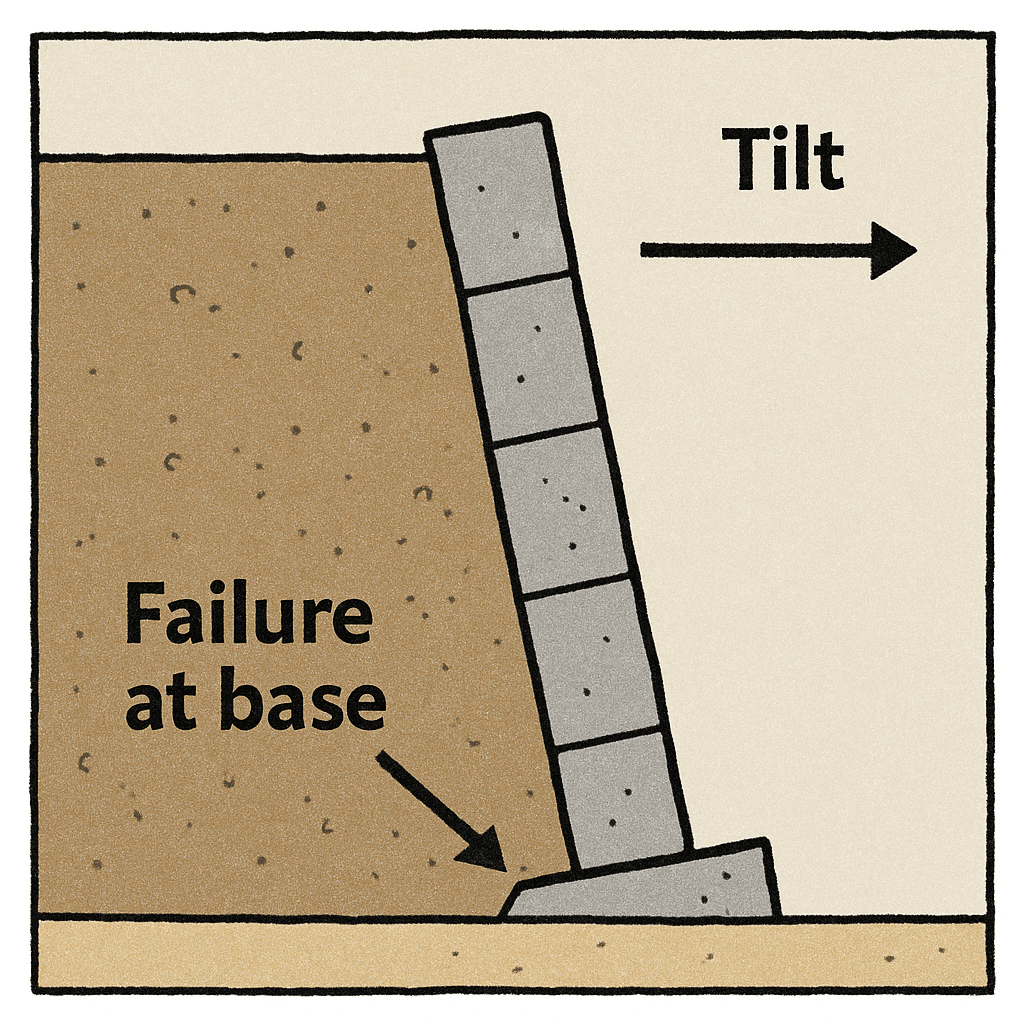
Not every crack spells disaster, but a distinct forward tilt signals that your wall is losing its fight against gravity. This phenomenon, often called “rotation,” occurs when the soil pressure overwhelms the structure, causing it to pivot on its footing like a loose tooth. While minor settling is common in older landscaping, a lean of more than an inch per foot of height indicates active structural failure rather than cosmetic aging.
Water accumulation remains the primary culprit behind repairing tilted backyard stone barriers, as saturated soil exerts massive force against the back of the stones. In some cases, you can salvage the structure by excavating the dirt behind the wall to relieve this pressure and installing modern drainage to keep it dry. However, simply pushing the blocks back without fixing the underlying drainage issue guarantees the wall will lean again within a few seasons.
Financial pragmatism often dictates the final verdict on whether to patch the damage or start fresh. Industry experts generally recommend the “50% rule”: if the estimated cost to stabilize and repair the existing structure exceeds half the price of a completely new installation, it is safer and more cost-effective to demolish it. Making the hard choice to rebuild ensures you aren’t throwing money into a temporary fix, clearing the way for retaining wall construction designed correctly from the ground up.
Your Blueprint for a Wall That Stands the Test of Time
You now look at a sloping yard not as a problem, but as an opportunity for structure and style. Whether you are browsing retaining wall ideas for a raised garden bed or planning a critical structural barrier, you understand that the real work happens underground. A wall is only as good as its drainage and foundation, transforming what could be a liability into a permanent asset that protects your property.
Before breaking ground on your retaining walls, run through this final safety and logic check to ensure success:
- Call 811 to verify utility lines are clear of your dig site.
- Check local codes to see if your wall's height requires a permit.
- Plan the runoff path to ensure water doesn't flood a neighbor’s yard.
- Rent a plate compactor to create a solid, non-settling base.
- Order 10% extra material to account for cuts and breakage.
- The best retaining wall is the one you eventually forget about because it stands firm through every storm. Commit to a simple seasonal check—clearing weep holes of debris and watching for settling—to keep the system functioning perfectly. With the right preparation, you aren't just stacking blocks; you are building lasting peace of mind and enduring curb appeal